What solo founders should actually consider about geography.
Yesterday, 900 people RSVP’d to an event in San Francisco. The line stretched down the street. People were trying unsuccessfully to bribe Wayne Sutton (Head of Community at Convex) to get inside. When the main floor filled, they opened a spillover floor upstairs where latecomers watched via livestream.
They were all there to see Peter Steinberger, the creator of Clawdbot (now OpenClaw) — the fastest-growing open source project ever, surpassing 168K GitHub stars in weeks (it added 10k of those stars in the last 10 hours).
The energy was unlike anything I’ve seen in SF — more than any ChatGPT launch or Anthropic announcement. People wore lobster and crab-themed clothing. Fresh lobster rolls circulated through the crowd. The room was so packed you could barely move when Peter took the stage.
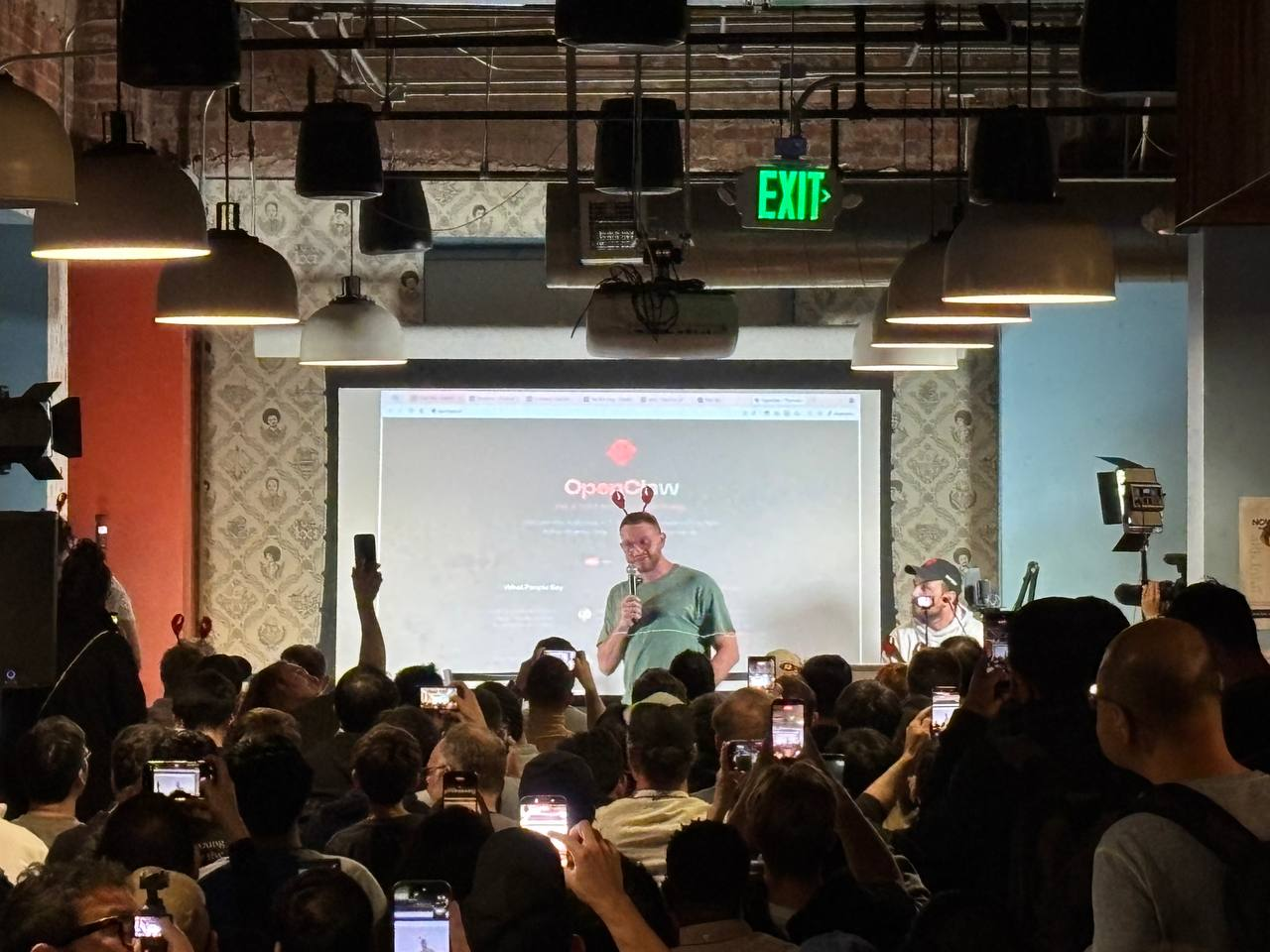
Part of what made the energy feel different: OpenClaw isn’t affiliated with a big company. It grew astronomically from a novel idea in a matter of weeks. It felt less like a product launch and more like an album by a new artist that had become a surprise megahit.
Here’s the thing: Peter built OpenClaw solo while splitting his time between Vienna and London.
Contrary to what you’d expect, the internet’s hottest project wasn’t started in the Bay Area. It was born thousands of miles away from the “tech capital of the world.”
The takeaway? People care about what you ship, not where you ship it from.
How OpenClaw built momentum from abroad
Peter didn’t need SF to get attention. He had GitHub, X, and a blog.
His infamous post on shipping at the speed of inference set off debate across the industry. He wrote about not even reading the code he ships anymore — going straight from working with Claude to deploying. Some were outraged. Many were inspired. Everyone was talking about it.
Meanwhile, he just kept shipping. If you look at his GitHub profile, he has 89,476 contributions in the last year. His biggest day was January 12th: 2,098 contributions. This month alone — five days in — he’s committed to seven different repositories, many unrelated to OpenClaw. He runs roughly a half dozen side projects in parallel at any given time.
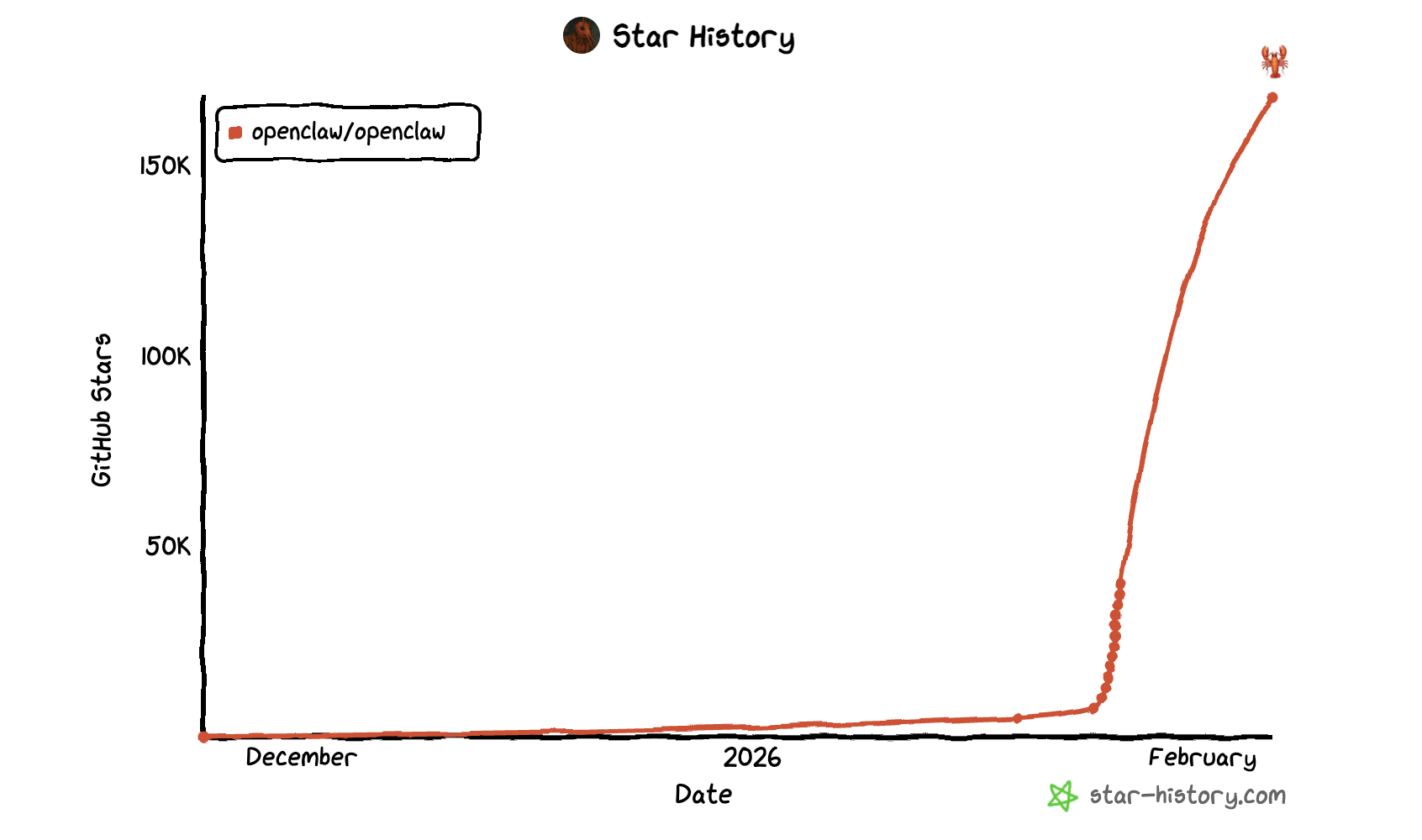
And he did all of this from abroad. Being in a different timezone might have even helped — he seemed to be online constantly, around the clock, for weeks straight. I honestly don’t know how he did it.
The formula was simple: ship fast, write about it, post on X. Repeat. Of course, it helped that the product was genuinely compelling. But he did not have being in SF as an advantage.
OpenClaw is not an anomaly.
Many solo founders are building serious companies far from SF.
Jan Oberhauser started n8n as a side project in Berlin. No co-founder. No Bay Area network. Just a workflow automation tool he built because he needed it. Today, n8n is valued at $2.5B.
Dhravya Shah built Supermemory from his dorm room in Arizona. He’s since moved to the Bay Area for the Solo Founders Program, but the foundation — the first product, the early users, the initial Github traction — was built in a college dorm. Today it handles 5 billion tokens daily for enterprise clients.
Philip Okugbe is another SFP alum building Docmost from the UK. He’s landed major enterprise and government contracts without relocating.
These founders didn’t wait to be in the “right” geo. They just got going.
What the data shows
This pattern isn’t anecdotal. According to the Solo Founders Report, solo- and multi-founder companies cluster in the same major startup hubs—but the Bay Area has the largest gap between them.
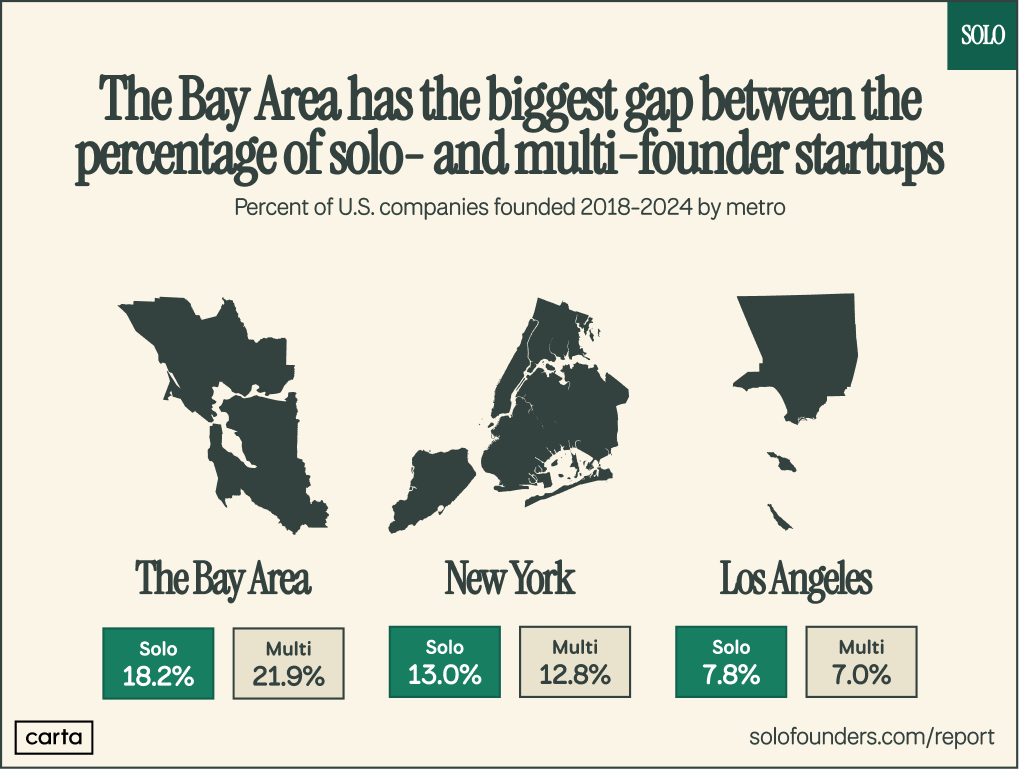
I wrote about my theory previously in the report:
The Bay Area is much more conformist about how companies should be built. If you’re building in Los Angeles or Seattle, you’re not in the mindset of, ‘I have to do everything the way some accelerator says.’
Outside the Bay Area, founders just get going. They don’t wait for a co-founder or a pre-seed round. They build with what they have.
So does geography matter?
Yes, and it’s important not to downplay it.
The Bay Area has real advantages. Serendipity is denser here. You can stumble into the right person at a coffee shop. You can pick up on what’s happening at the cutting edge just by being around.
More importantly, in-person relationships are different. You can build familiarity over DMs. You might even build friendships. That said, there’s nothing like going for a walk with someone, co-working together, or co-living. It creates a different level of trust. A deeper level of investment in each other’s success.
There’s also a social dynamic that works in your favor. Meeting for coffee feels fun. Getting on a Zoom call feels like a chore. In SF, you can message someone and say “Hey, I just moved here and I’m working on [something interesting]” — and people are predisposed to be excited about that. They want to meet the promising new arrivals.
Moving to SF can be an accelerant but is by no means a requirement. You can build the relationships and momentum you need from anywhere—it just requires more intentionality.
What to do if you’re not in SF
Put things into the world. But also: reply to people. Engage with what others post. Comment. Add on to their ideas.
Posting into the void from your own account is less effective than showing up in other people’s threads. It signals that you’re interested in others, not just yourself.
As for fundraising, there’s a big misconception that you need to be in SF to raise. You don’t. If you’re shipping compelling work and people can see it, you can raise over Zoom. Most founders I know end up raising remotely anyway, because their investors aren’t all local. You don’t need to announce “I’ll be in SF for two weeks to fundraise.” You can just get on calls.
The trap of being in San Francisco
Here’s the thing nobody tells you: being in SF can make you worse.
You can go to three tech events a day here and still feel like you’re missing out. That’s a trap. Almost none of those events will be valuable to your company. Attending them feels productive. It isn’t.
If anything, you should be throwing the events. That way they’re focused on things useful to you. Showing up to other people’s events is usually a form of laziness, and laziness often doesn’t get you anywhere useful.
Being outside SF means you might miss out on organically learning about some of the best ways to build companies. But it also means you won’t copy the dumb ways — like being obsessed with getting attention on X when your customers are not even on there. For Peter, it mattered that people on X knew about OpenClaw, but if you’re building for dentists, you don’t need to be on X. You just need to be where the customers are.
Don’t use “I’m not in SF” as an excuse.
Peter Steinberger didn’t let that stop him from building the fastest-growing OSS project of all time.
And don’t assume moving to SF will solve your problems. Nine hundred people didn’t show up to see Peter because of where he lived. They showed up because of the software and movement he created.