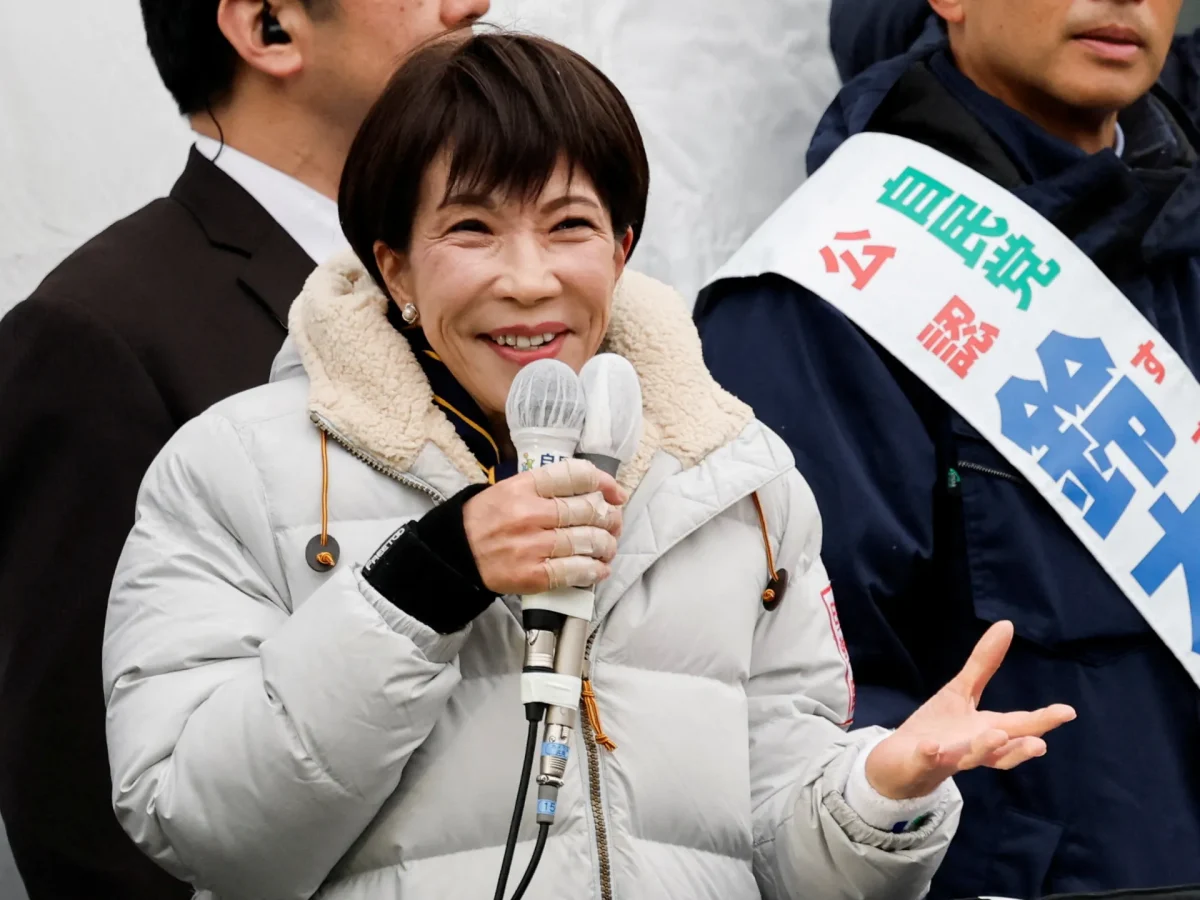
Opinion polls suggest Takaichi’s conservative coalition could win as many as 300 of the 465 seats in the lower house.
Voters in Japan are casting their ballots in a parliamentary election expected to deliver a resounding victory for Prime Minister Sanae Takaichi’s conservative coalition.
The snap vote on Sunday comes as Takaichi seeks a new mandate to push through an ambitious agenda, including increased defence spending, tougher immigration measures and a cap on foreign residents.
Recommended Stories
list of 4 itemsend of list
The coalition of Takaichi’s Liberal Democratic Party (LDP) and the Japan Innovation Party, known as Ishin, could win more than 300 of the 465 seats in the lower house of parliament, according to multiple opinion polls, a substantial gain from the 233 it is defending.
If Takaichi’s coalition secures 310 seats, it would be able to override the opposition-controlled upper chamber.
Takaichi, 64, is Japan’s first female prime minister and took office in October after being selected as the LDP’s leader. The ultraconservative politician has pledged to “work, work, work”. Her style, seen as both playful and tough, has resonated with younger voters.
She has said she will step down if the LDP fails to win a majority.
Takaichi has pledged to revise security and defence policies by December to bolster Japan’s offensive military capabilities, lifting a ban on weapons exports and moving further away from the country’s post-war pacifist principles.
However, the cost of living has taken centre stage in her campaign. The issue is voters’ main concern, with prices rising while real wage growth lags behind inflation, leaving households worse off.
Japan also faces longstanding problems with sluggish economic growth. The economy expanded just 1.1 percent last year and is on track to grow by only 0.7 percent in 2026, according to the International Monetary Fund.
Takaichi has promised to suspend the 8 percent sales tax on food for two years to help households cope with rising prices.
The pledge follows the approval last year of Japan’s largest stimulus package since the COVID-19 pandemic, a 21.3 trillion yen ($136bn) injection into the economy heavily focused on cost-of-living relief measures, including energy bill subsidies, cash handouts and food vouchers.
Takaichi has generated a social media-led wave, mostly among younger voters, with a phenomenon dubbed “sanakatsu” for products she uses, such as her handbag and the pink pen she writes with in parliament.
In a recent opinion poll, respondents under 30 favoured her by more than 90 percent. This young cohort, however, is less likely to vote than the older generations that have long been the bedrock of LDP support.
Sunday’s vote comes amid record snowfall in parts of the country. With up to 70cm (27.5 inches) of snow forecast in northern and eastern regions, some voters will have to battle blizzards to cast their ballots.
It is only the third post-war election held in February, with polls typically called during milder months.
Turnout in recent lower house elections has hovered around the mid-50 percent range. Any slump on Sunday could amplify the influence of organised voting blocs.
One such bloc is Komeito, which last year quit its coalition with the LDP and merged into a centrist group with the main opposition Constitutional Democratic Party of Japan. Komeito has close ties to the lay-Buddhist Soka Gakkai group, which claims at least 8 million members nationwide.
Voters will select lawmakers in 289 single-seat constituencies, with the remainder decided by proportional representation votes for parties. Polls close at 8pm local time (11: 00 GMT), when broadcasters are expected to issue projections based on exit polls.