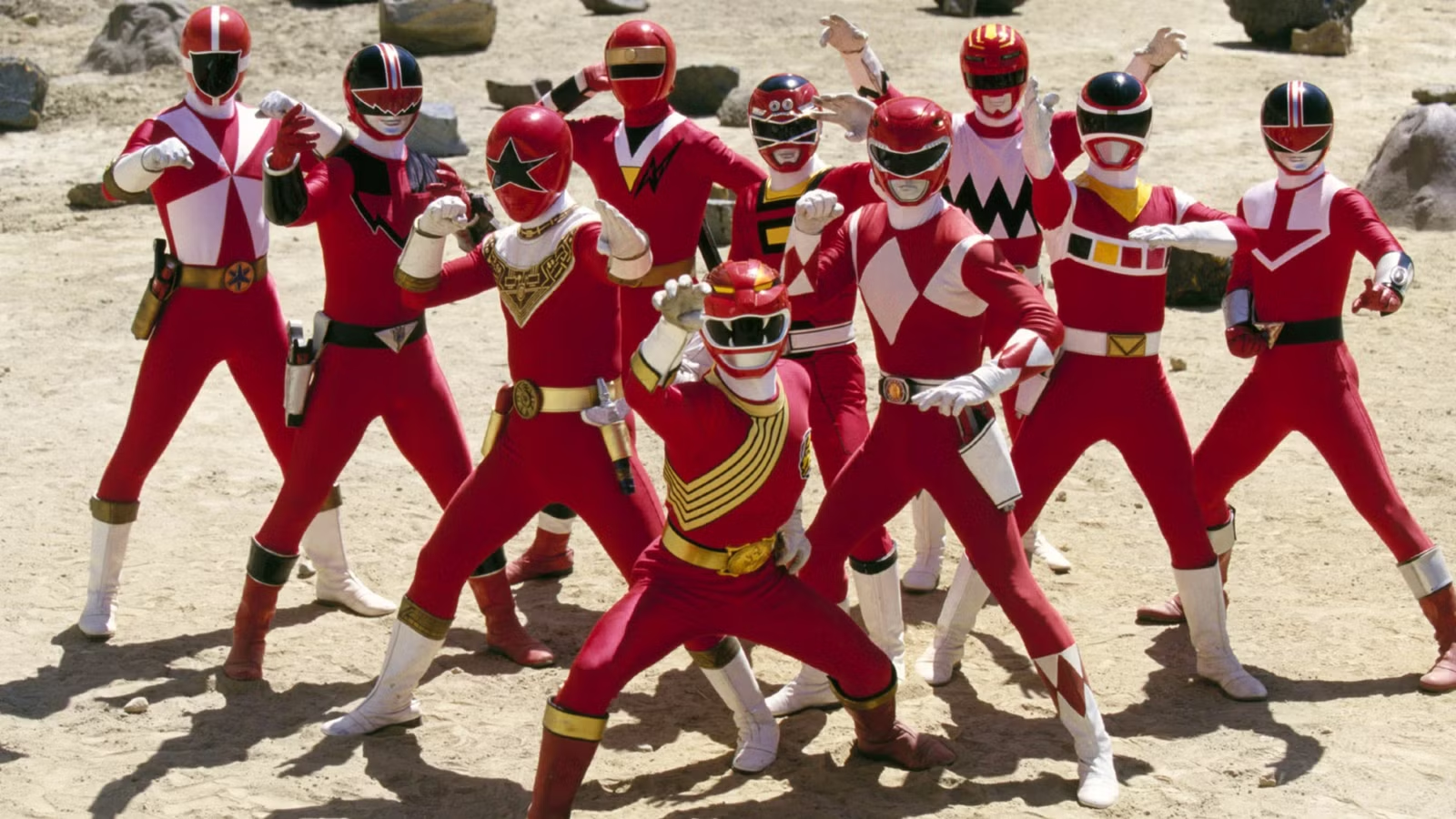
When Power Rangers exploded onto screens in 1993, it felt revolutionary. Teen heroes flipped through the air, monsters grew to skyscraper size, and towering Zords clashed in metallic brawls that looked ripped from an anime come to life. The secret weapon for this success was a clever one: repurposed action footage from Japan’s Super Sentai, seamlessly stitched into a new American story.
However, Super Sentai itself had already been running for nearly two decades by then. The Japanese franchise debuted in 1975 and steadily became a Saturday-morning institution. Now, after more than 50 years of color-coded teams and rubber-suited villains, it has closed with No.1 Sentai Gozyuger’s final episode, “Final Ep.: We Are, No.1 Sentai Gozyuger!”.
For fans outside Japan, Super Sentai has long been known as the original Power Rangers, the place that it all began. The ending of Sentai is more than just another cancellation. It marks the conclusion of a five-decade legacy that quietly powered a global phenomenon. The future suddenly feels uncertain, and one question lingers: what happens to Power Rangers now its source has disappeared?
Super Sentai Has Officially Ended
A 51-Year TV Institution Has Taken Its Final Bow

After 51 years of uninterrupted superhero TV, Super Sentai has officially concluded. Episode 49 of No.1 Sentai Gozyuger aired as the franchise’s last installment in February 2026, bringing the curtain down on one of Japan’s longest-running live-action series. Few shows in any country can claim that kind of longevity, and even fewer shaped an entire genre the way Sentai did.
From Himitsu Sentai Gorenger in 1975 to dozens of sequined, spandex-clad successors, the Super Sentai formula proved endlessly adaptable. Every year delivered new suits, new mecha, and a fresh team dynamic. Yet the core promise stayed the same: colorful heroes fighting practical-effect monsters with heart and choreography that rivaled martial arts cinema.
The series wasn’t just a TV staple; it was a manufacturing powerhouse. Toys, costumes, and collectible gear turned each season into a cultural event, just like Power Rangers eventually became in the West. Generations of Japanese kids grew up identifying their favorite color Ranger equivalent. It became part of childhood itself, passed down like tradition.
Its influence also stretched far beyond Japan. Without Sentai’s footage, Mighty Morphin Power Rangers wouldn’t exist. Entire action sequences, Zord battles, and monster fights were lifted directly from Sentai seasons and recontextualized for Western audiences, turning a local hit into a global empire.
Now, that pipeline is closed. No new teams waiting in the wings. No next suit reveal. For the first time since the ’70s, the Super Sentai machine has stopped. It’s the end of an era for Japanese television, and a foundational chapter of pop culture has quietly finished its final transformation.
What The Ending Of Super Sentai Means For Power Rangers
The American Franchise Had Already Started Forging Its Own Path

At one time, Super Sentai ending would have been catastrophic for Power Rangers. The American show was built on Sentai’s backbone. Producers filmed new scenes around Japanese action footage, matching characters like Jason Lee Scott (Austin St. John) and Tommy Oliver (Jason David Frank) to battles already shot overseas.
Entire seasons of Power Rangers depended on that model. It kept budgets low and spectacle high. Giant robot fights and explosive stunts would have been impossible to reproduce weekly without Super Sentai doing the heavy lifting. If Sentai had ended in the ’90s or 2000s, Power Rangers might have collapsed overnight.
Hower, the Power Rangers franchise has quietly evolved beyond its Super Sentai dependence. Recent plans for the brand point toward an in-house future, particularly with the announced Disney+ reboot aiming to reinvent the universe without imported footage. The strategy focuses on original storytelling, modern production values, and a fully in-house pipeline.
That shift makes Super Sentai’s ending less of a crisis and more of a symbolic break. Power Rangers was already preparing to stand alone. The training wheels were coming off regardless, and the new iteration seems designed to function independently from Japan’s annual cycle.
In practical terms, nothing changes immediately for fans. Power Rangers wasn’t leaning on Super Sentai the way it once did. Creatively, though, the separation feels monumental. For the first time, Power Rangers isn’t adapting something. It’s charting its own mythology from scratch.
Will Super Sentai Ever Come Back?
A Legendary Franchise May Be Dormant Rather Than Gone Forever

Officially, there are no plans for Super Sentai to return. The finale of No.1 Sentai Gozyuger has been positioned as a true ending, not a seasonal pause. After five decades of continuous production, the franchise appears to have finally exhausted its annual model.
Still, television history suggests “final” rarely means forever. Long-running brands often go dormant before resurfacing years later with renewed interest. Nostalgia is powerful, and few properties have deeper generational roots in Japan than Sentai’s color-coded heroes.
A hiatus could even help Super Sentai. The yearly churn sometimes left little room for reinvention. Time away might allow creators to rethink the formula, experiment with tone, or produce event-style seasons rather than endless cycles. A comeback could feel special instead of routine.
There’s also the business angle. Super Sentai remains a recognizable name with merchandising potential. If market conditions change or demand spikes, reviving the brand would be far easier than launching something entirely new. Legacy franchises rarely stay buried when money is on the table.
For now, though, the morphers are powered down. Whether temporary or permanent, the silence is historic. If Super Sentai ever returns, it will be a resurrection story. Until then, the original blueprint for Power Rangers rests, its 51-year run complete.
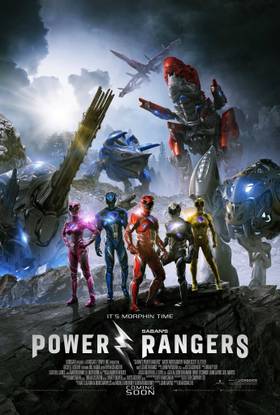
- Created by
-
Haim Saban, Shuki Levy, Shotaro Ishinomori
- First TV Show
-
Mighty Morphin’ Power Rangers
- First Episode Air Date
-
August 28, 1993