
Listen to this article
Estimated 4 minutes
The audio version of this article is generated by AI-based technology. Mispronunciations can occur. We are working with our partners to continually review and improve the results.
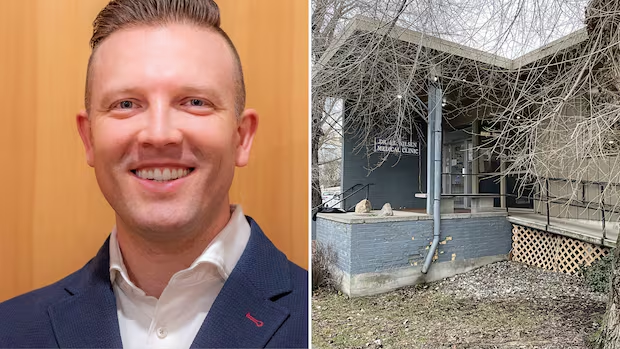
The City of Grand Forks in B.C.’s West Kootenay region has launched a one-year pilot program that uses local tax dollars to help recruit and retain doctors, a role typically handled by the provincial health system.
The city has set aside $125,000 to help cover fixed operating costs at the local medical clinic, including rent, utilities and licensing fees.
Grand Forks’ move comes as many communities across British Columbia struggle to ensure residents have access to regular primary care. Despite provincial efforts to connect patients with family doctors, access gaps remain, particularly in rural and smaller communities, putting pressure on local governments to find solutions.
“It shouldn’t fall to municipalities to have to do this,” Mayor Everett Baker said. “But unfortunately, in the situation we are in today, it does require it.”
Local response to a provincial challenge
Grand Forks, a community of about 4,100 people, has seen several doctors leave in recent years. City officials say the clinic was at risk of being left with only a small number of physicians, some of whom are nearing retirement.
The pilot program was developed in collaboration with local doctors and is intended to reduce the financial risk associated with running a medical practice in a rural area. When physician numbers decline, remaining doctors must absorb a greater share of the clinic’s fixed costs, making the practice less attractive to newcomers.

Family physician Mark Szynkaruk, who worked with the city to implement the program, said those fixed expenses don’t change based on how many doctors are working in the building.
“Whether there’s one physician working in a building or ten, rent, insurance and utilities still have to be paid,” he said.
Szynkaruk said that reality can make it difficult to attract new doctors, particularly those early in their careers who may be carrying student debt and are wary of taking on additional financial risk.
Daybreak South8:01 The city of Grand Forks has developed a pilot project to attract more doctors to the community
The city of Grand Forks is crediting the recruitment of a new doctor to the community to a pilot project developed by a local physician, Dr. Mark Szynkaruk
And the result of inaction, he said, would be people losing access to care.
“Patients are suffering, morbidity and mortality are a direct result of poor access to primary care, or no access at all,” adding that poor or absent access to primary care can contribute to worse health outcomes and added strain on emergency services.
Broader access issues persist
The challenges facing Grand Forks reflect a broader issue across British Columbia.
Colwood, a larger municipality within the Greater Victoria Area, has started paying some doctors as municipal employees to try and address the problem.
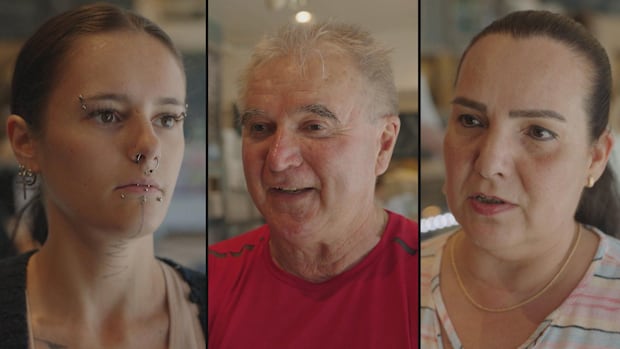
The mayor of Colwood, B.C., is backing a plan to have family doctors become municipal employees, a move the community hopes will help them gain access to critical health care that has been missing from the area since 2002.
A 2025 resolution from the Union of British Columbia Municipalities warned that rural and remote communities face chronic difficulties recruiting and retaining primary care physicians, leading to understaffing, excessive workloads and frequent emergency room diversions.
The resolution calls on the provincial government to reassess recent changes to physician recruitment and payment programs, arguing they have worsened shortages in smaller communities.
Early signs of progress
In Grand Forks city officials say a new physician, Dr. Gary Sandhar, has already joined the Grand Forks medical clinic and has begun taking over patients from a doctor who recently left the community. Two additional medical practitioners are expected to decide later this year whether they will relocate to Grand Forks.
If the clinic returns to full staffing, the city says it could support up to 7,500 patients, covering residents in Grand Forks and nearby areas.
Baker said the pilot program will be reviewed after one year to determine whether it should continue or be adjusted.
“So my goal, as the mayor, is that if you’re a resident of Grand Forks, you will have a family doctor,” he said.