
Listen to this article
Estimated 3 minutes
The audio version of this article is generated by AI-based technology. Mispronunciations can occur. We are working with our partners to continually review and improve the results.

Follow Winter Olympic SportsPersonalize Your Feed
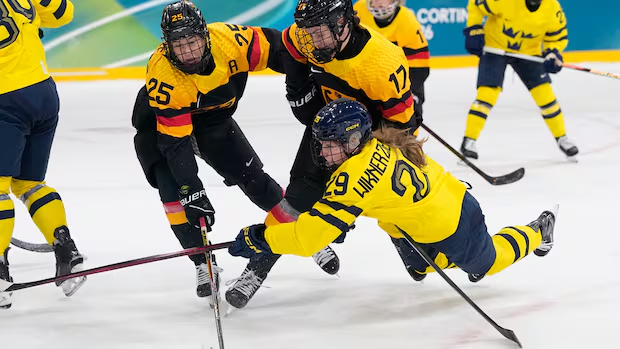
Pushes, shoves and hits have been abundant in the group stages of the Milano-Cortina women’s hockey tournament, where players say they are pleasantly surprised by the physical play referees have allowed on the ice.
Body checking has previously not been allowed in women’s international tournaments such as the World Championships and Olympic Games, differing from the men’s game.
The rules are also a stark departure from the men’s top-flight professional National Hockey League, where violent play is the norm.
“Overall, tournaments before this, they had been taking a lot of penalties for body checks and stuff like that. And I know that we’d get frustrated because it’s hockey. It’s a physical sport,” said Swedish defender Mira Jungaker.
“I’m happy that they’re letting us hit and be physical.”
Critics of body checking in the women’s game say that restricting the move can reduce injuries. But many fans and players have long argued that limiting or outright banning body checks creates a less safe and less entertaining game.
Referees set tone
In Thursday’s opening match between Sweden and Germany at Milano Rho arena, referees had set the tone for a chippier, faster-paced women’s tournament, said German goalie Sandra Abstreiter.
“It seemed like the referees let a lot of things go. Now we know and now we can move forward from that,” Abstreiter told reporters after losing the Group B contest 4-1.
“Both them and us, we probably weren’t expecting it to be as loose but it ended up being that way and I think we all – both teams — adjusted to it.”
The International Ice Hockey Federation did not respond to a request for comment.
The Professional Women’s Hockey League, which has provided a welcome career pathway for players and a surge of new interest in the women’s game, allows a form of body checking to separate an opponent from the puck.
“With the PWHL now, I think we’re going to see a lot more contact out there, just with those players that are used to playing with that level of physicality,” said Canadian forward Jennifer Gardiner. “Now it’s a part of our game.”
PWHL players account for around 60 of the total competitors in the women’s Milano Cortina tournament.
Gardiner said she had known what to expect in Milan after her team’s opener last week was postponed due to norovirus cases on the opposing Finland team, allowing more time to watch matches.
The defending Olympic champions finally began their title defense on Saturday, with a comfortable 4-0 win over Switzerland.
“It is the Olympics after all, so it’s going to become best on best hockey in every single game,” she said. “And I think that’s what makes it so fun out there.”